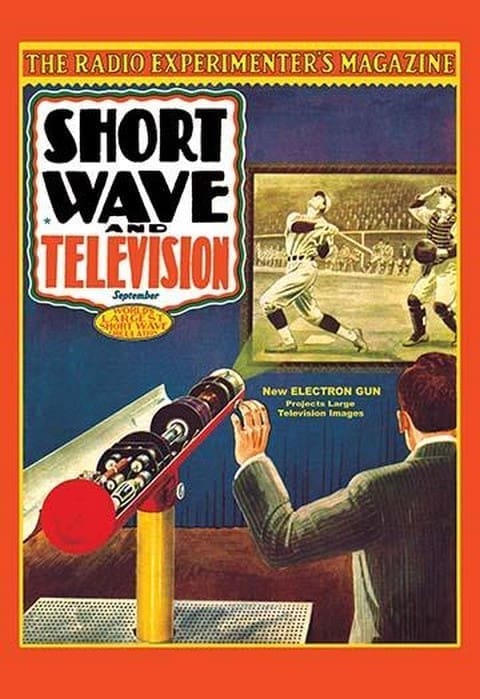
Frank Rudolph Paul (1884-1963) was an American illustrator who left an indelible mark on the science fiction genre. Discovered by editor Hugo Gernsback, Paul significantly influenced the look of cover art and interior illustrations in the nascent science fiction pulps of the 1920s. His work is characterized by dramatic compositions – often featuring enormous machines, robots, or spaceships – alongside bright, even garish colors. However, his ability to depict human faces, especially female ones, remained limited. Trained in architecture, Paul illustrated the cover of Gernsback’s novel Ralph 124C 41+: A Romance of the Year 2660. His most famous cover graced Amazing Stories in August 1927, illustrating H. G. Wells’ The War of the Worlds. Paul’s legacy endures through over 220 magazine covers, including those for Wonder Stories, Planet Stories, and the debut issue of Marvel Comics featuring the Human Torch and Sub-Mariner. Short Wave and Television, a magazine that intersected technology, radio, and visual innovation during the late 1930s. Originally known as Short Wave Craft, this specialty title catered to amateur radio enthusiasts and home experimenters eager to build, understand, and experiment with new technologies. Its pages buzzed with the DIY ethic, providing resources for those who wanted to tinker, explore, and push the boundaries. Hugo Gernsback, a pioneering figure in both science fiction and radio electronics, played a crucial role in the magazine, whose focus spanned two critical domains: Shortwave Radio and Television. As shortwave radio gained prominence, enthusiasts sought information on antennas, receivers, and propagation. Short Wave and Television became a beacon for these curious minds, offering insights into the intricacies of shortwave communication. Articles covered everything from home-built receivers to exotic DX (long-distance) listening. Meanwhile, television was the new frontier, and the magazine eagerly embraced it. The cover paintings often depicted radios in motion-whether used in cars, trains, boats, or even on horseback. One daring cover featured a sports announcer broadcasting from a speeding iceboat-an audacious blend of adventure and technology. Short Wave and Television thrived for nearly three years, gaining prestige and influence. It stood as the sole public periodical entirely devoted to shortwave radio, bridging the gap between enthusiasts and the cutting-edge world of television. Alas, its journey was cut short by the heavy clouds of war-September 1939 marked its final issue due to the onset of World War II. In retrospect, this magazine remains a testament to the passion of radio hobbyists, the allure of emerging technologies, and the spirit of exploration. Gernsback, as the publisher, ensured that the magazine provided valuable resources for those interested in building, experimenting, and understanding new technologies related to shortwave radio and television. His contributions to the genre and his impact on the field of electronics were significant, making him a central figure in the early days of science fiction and radio communication.
1937/USA
Reviews
There are no reviews yet.