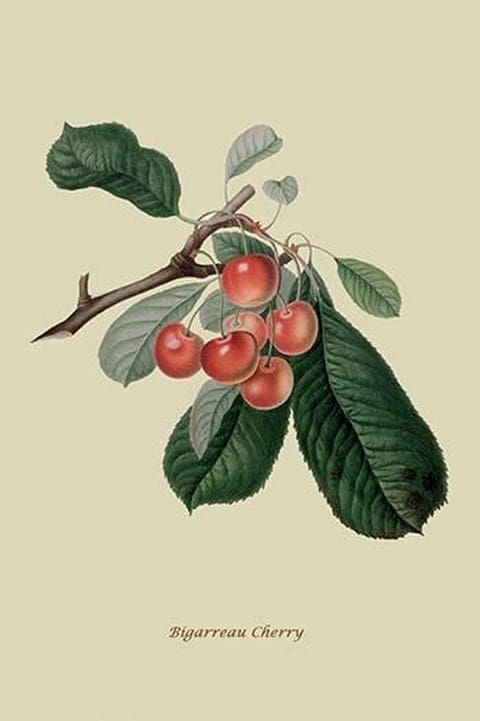
William Hooker (1779 – 1832), a distinguished 19th-century botanical illustrator, is celebrated for his meticulous and vibrant depictions of fruits and plants that elevated botanical illustration to an art form. His work, characterized by scientific accuracy and aesthetic elegance, was instrumental in documenting the rich biodiversity of his time. Hooker was closely associated with institutions like the Royal Horticultural Society, contributing illustrations that combined precision with an extraordinary sense of color and detail. His illustrations often showcased fruits, including apples, pears, and other cultivated varieties, rendered in a style that captured their texture and natural beauty with remarkable fidelity. By blending artistic skill with botanical knowledge, Hooker’s work became an invaluable resource for horticulturists, botanists, and gardeners, preserving the legacy of numerous plant species and varieties, some of which are now rare or extinct. His contributions are prominently featured in publications like “Pomona Londinensis” and other horticultural compendiums of the era, where his artistry brought scientific texts to life. Hooker’s legacy endures not only in the annals of botanical illustration but also in the appreciation of plants as objects of both scientific study and artistic inspiration, bridging the gap between art and natural history with timeless appeal.