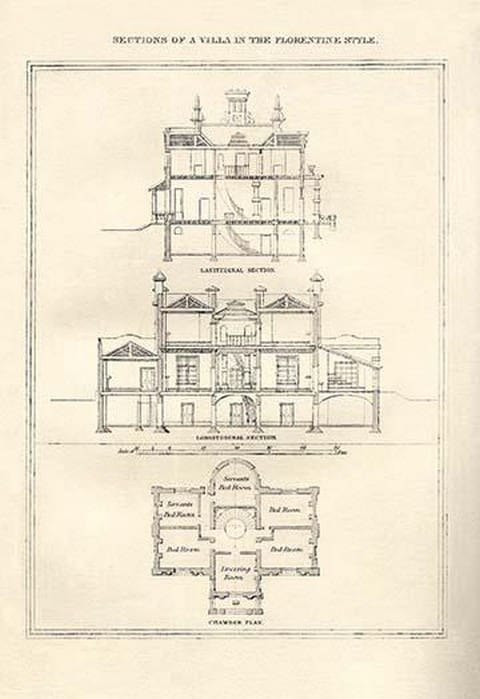
Richard Brown was a prominent Victorian author and architect who significantly influenced the architectural landscape of Britain in the 19th century. His renowned work “Domestic Architecture: Containing a History of the Science, and the Principles of Designing Public Edifices, Private Dwelling-houses, Country Mansions, and Suburban Villas,” first published in 1842, stands as a comprehensive guide to the architectural design principles of his era. Brown meticulously detailed the science and art of constructing various types of buildings, providing rich illustrations and engravings that depicted the aesthetic and structural components of public edifices, private homes, country mansions, and suburban villas. His book served not only as an instructional manual for contemporary architects but also as a historical document that captured the essence of Victorian architectural philosophy and style. Brown’s approach to architecture emphasized harmony, proportion, and functionality, reflecting the broader societal values and technological advancements of the Victorian period. He believed that architecture should be both beautiful and practical, an ethos that resonated in his detailed descriptions and designs. Brown’s work offered insights into the materials, techniques, and decorative elements that defined Victorian architecture, making it a valuable resource for both practitioners and scholars. The impact of his work extended beyond the pages of his book, as it influenced the design and construction of numerous buildings across Britain, contributing to the architectural heritage that is still appreciated today. Richard Brown’s contributions to the field of architecture were instrumental in shaping the built environment of his time, and his legacy continues to be studied and admired by those interested in the history of architectural design.
Reviews
There are no reviews yet.